


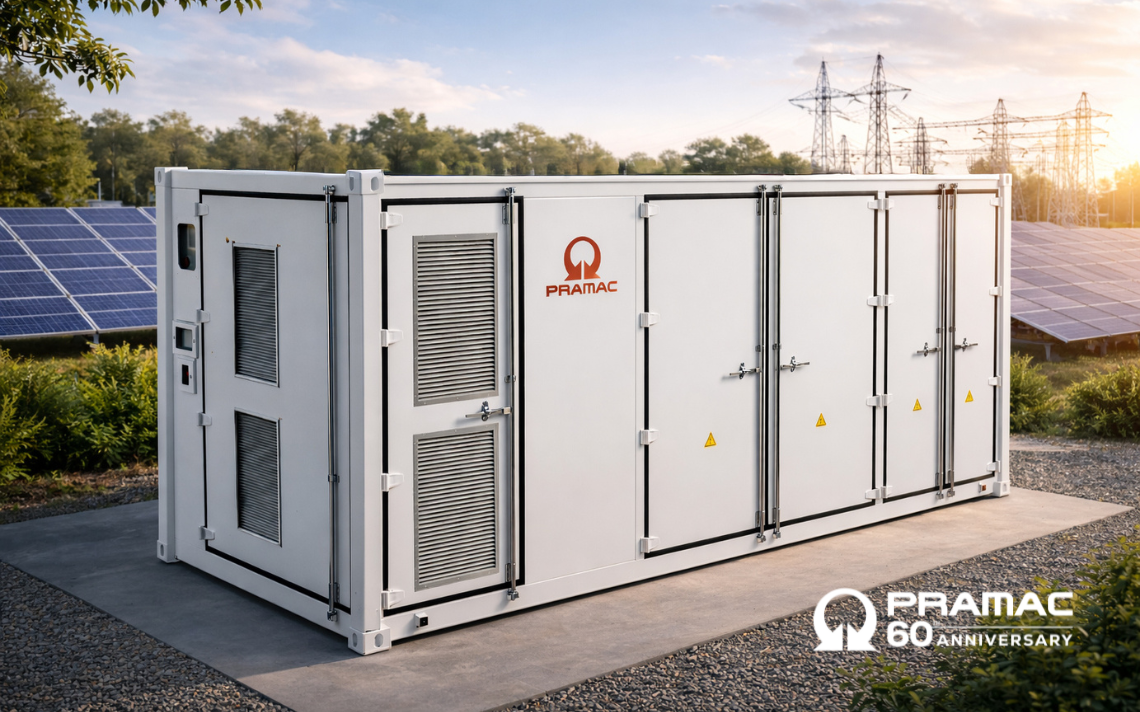
Energy System Trends 2026, Towards a Smarter, Decentralized, and Data Driven Future.
Energy System Trends 2026: Towards a Smarter, Decentralized and Data‑Driven Future
2026 marks a decisive turning point for the global energy sector. Digitalization is accelerating, storage technologies are expanding, and energy markets are evolving at an unprecedented pace. Together, these forces are reshaping the way companies produce, consume, and generate value from electricity. In this rapidly shifting scenario, a new energy model is emerging-one that is more flexible, decentralized, and capable of responding quickly to the diverse needs of modern industries.
Digitalization and Flexibility: The Pillars of the New Energy Ecosystem
As the power grid becomes increasingly complex and renewable energy sources continue to grow, businesses are turning to more sophisticated tools to manage their energy profile. Digital solutions—from advanced Energy Management Systems (EMS) to predictive analytics—have become essential to coordinate production, consumption, storage, and energy exchange in an intelligent, unified way.
Digitalization no longer serves merely as a monitoring function. Today, it enables dynamic, automated, data‑driven decisions that substantially improve operational performance. When applied to Battery Energy Storage Systems (BESS), this intelligence transforms batteries into strategic assets, enabling companies to optimize energy use, support business continuity, and enhance economic performance.
Decentralized Energy Storage: The Heart of the Transition
Distributed energy storage is emerging as one of the most impactful drivers of the ongoing energy transition. Companies across sectors are increasingly installing onsite storage systems to reduce energy expenditures, secure operations, and strengthen independence from the grid. At the same time, decentralized storage increases renewable self‑consumption and enables participation in emerging local energy markets.
The combined use of BESS, EMS, and digital platforms is reshaping the concept of energy management. What was once a simple cost center is becoming a strategic lever for value creation. As storage technologies grow more integrated and intelligent, businesses gain new opportunities to optimize energy flows, enhance sustainability commitments, and boost efficiency across everyday operations.
Energy Trading: The Frontier Redefining the Role of BESS
One of the most relevant trends expected to define 2026 is the rapid expansion of energy trading enabled by storage systems. BESS are increasingly recognized as critical assets that allow organizations to buy and sell electricity dynamically, taking advantage of market price fluctuations while supporting overall grid stability.
This evolution is transforming the role of storage. Batteries can now charge when electricity prices are low and discharge when prices rise, enabling effective energy arbitrage. They can also participate in ancillary services, providing valuable balancing functions to the grid. These capabilities introduce additional revenue opportunities and turn storage systems into assets with both technical and economic impact.
In this context, businesses equipped with advanced BESS solutions can operate with greater efficiency, limit exposure to volatility, and develop more predictable, sustainable long‑term energy strategies.
Pramac’s Role in the Evolution of Energy Systems
Pramac is at the forefront of this transformation. By integrating advanced EMS capabilities, real‑time optimization, and trading‑ready functionalities across its portfolio, the company enables organizations to take full control of their energy future. Its technologies are designed to be intelligent, scalable, and aligned with growing demands for resilience and economic performance.
Through strong engineering expertise, continuous innovation, and a market‑oriented vision, Pramac positions itself as a thought leader in the new energy landscape—guiding businesses toward more resilient, efficient, and value‑driven energy systems and helping them unlock the opportunities offered by next‑generation energy technologies.